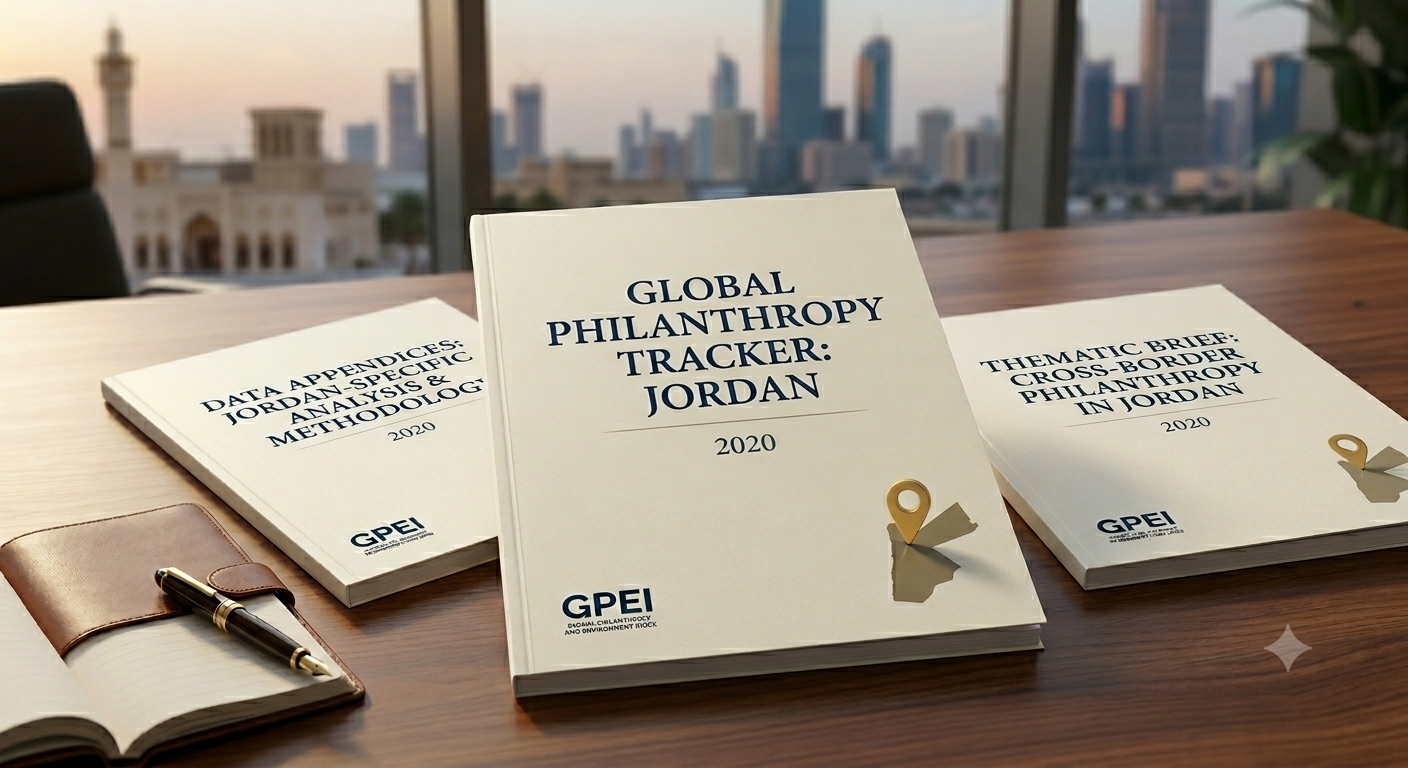
The Global Philanthropy Tracker 2020 report, issued by the Indiana University Lilly Family School of Philanthropy, is a comprehensive research study that measures the scale and flow of cross-border philanthropic donations and contributions by individuals and institutions. This report aims to provide an accurate and integrated picture of how global philanthropic funds move to support humanitarian and developmental causes, with a focus on comparing these charitable flows with three other essential cross-border financing sources: Official Development Assistance (ODA) provided by governments, remittances from expatriates, and private capital investments. The 2020 edition focused on analyzing available data to estimate the volume of global giving and the legislative and political environment that incentivizes it across dozens of countries, highlighting the role of philanthropy as a resilient and fundamental pillar for sustainable development and addressing global crises such as poverty, education, and healthcare.
The country report for Jordan, prepared by World of Opinions, provides a comprehensive analysis of the reality of philanthropy in Jordan, both cross-border and domestic. It explains that the volume of cross-border giving is estimated at approximately $1 billion annually, coming from government entities and international organizations. This giving is subject to the provisions of the Societies Law (such as requiring prior approval from the Cabinet), with about 70% of this foreign aid directed toward responding to the Syrian crisis and supporting refugees, while 30% goes to the local community. On the domestic front, the volume of giving is estimated at $500 million, with various stakeholders participating, including individuals, the Royal Hashemite Court, and corporations. Around 6,800 registered associations are active in this space (nearly half of which are operational), among which leading institutions have emerged, such as “Tkiyet Um Ali” and the “Nahno” volunteering platform. This domestic giving focuses on combating poverty and securing basic needs, characterized by its relational and seasonal nature, alongside a shift toward modern methods like electronic donation (eFAWATEERcom) and the emergence of emergency initiatives to confront the COVID-19 pandemic, such as the “Himat Watan” Fund. The report concludes with recommendations calling for legislative amendments, governance of associations, and the establishment of a centralized information system to prevent the duplication of aid, as well as training local associations to reach international donors to ensure a balance in development between Jordanians and refugees.
The report can be downloaded from the “Publications” section.